A good, practical demonstration is most effective method in extension work. Farm demonstration is good way to show how new technologies work, and help increase the aquaculture production. Through the demonstration, both purposes can be achieved and farmers will be satisfied. Here farmers will be able to observe the differences between a recommended new culture practice and traditional practices. The demonstration units provide an opportunity to farmers and entrepreneurs to observe and practice with hands on, and enable them to understand the true practice and benefits. Besides, the farmers can come to the centre, which is very close proximity to their native place for clarification of any operational difficulties they face. This will definitely boost the level of confidence among the local farmers.
Now globally agriculture and in particular aquaculture is being seen as an industrial operation. The sector has huge potential for employment and income generation. Therefore, in the new social scenario, the persons seeking skill in aquaculture are not mere the traditional farmers, but also the qualified professionals. Their perception of sector and expectation from the sector is quite different than 10 years before. The population induced changing scenario of the society specially the rural India, have several burgeoning issues like migration of people for employment, diminishing rural income and decreasing per capita land are the real challenge. It demands major change in purpose and practices of agriculture operation. The same hold true for aquaculture. It is quite evident from the new shift in demand of the techniques for various different pools of entrepreneurs and farmers.
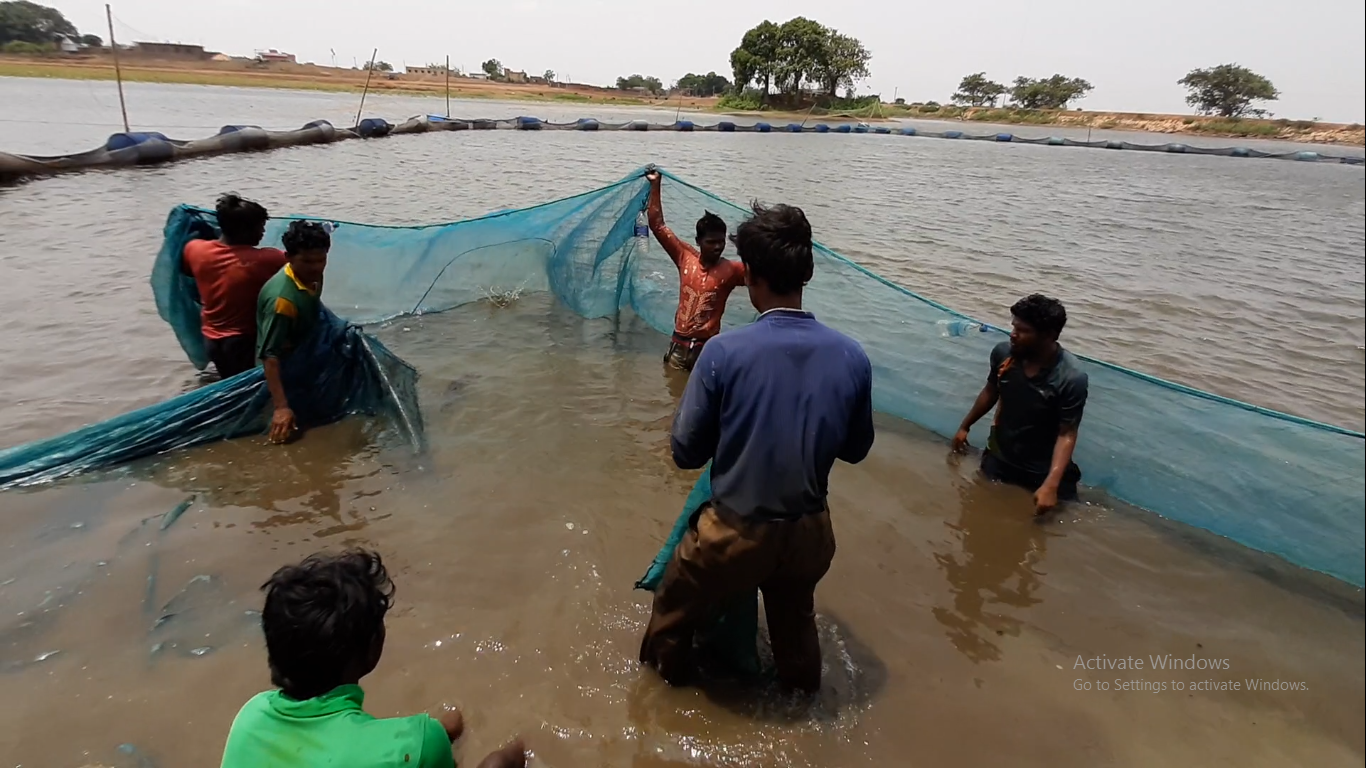
Therefore, now it is high time for technological preparedness in term of standardization, adaptation, innovation and adoption of high yielding and locally fit culture practices. These practices shall be standardized in response to local condition, resource and investment friendly manner. It shall be demonstrated before entrepreneurs to minimize the risk involved. The same can be source to ensure sustainable input supply in all aquaculture practice and will lead a way to infuse different kind of techniques and practice in state.
Role of culture practice in overall success of the aquaculture
The fisheries resources in the state of Jharkhand mainly comprise ponds, tanks, reservoirs, small rivers and water-logged areas like ox-bow lakes included in wetland. The productive resources have huge capacity to produce fish for the state and state may turn into aquaculture hub. But problems like, discrete seasonal variation due to geographical location in the state, which is witnessed by severe cold in winter to high temperature in summer and risk of drought in the most of part of the state in rainy season are posing challenge for aquaculture expansion and farmers sustenance. This climate uncertain situation and sole dependence of about 90% of population on agriculture creates a risky situation for the people. Therefore, significance of different culture practices and their possible integration can be explored to ensure
King Fisheries foresees the possibilities in the area and has been abridging the actual zeal of farmers and entrepreneurs by linking directly with them and to their farm. But to scale up the effort in this direction, capacity building of the King fisheries and its use for exposure and hand holding of Entrepreneur through demonstration may be very useful. So, the various techniques and culture practices, which is being most sought by entrepreneurs and farmers can be established for farmers exposure. It will create a single point demonstration of commonly demanded techniques and practices.
King Fisheries started in the year 2018 India's 1st commercial farm where we practice fish farming through traditional and modern methods like Reservoir culture (98 acres), in land Pond culture, Pen culture, Biofloc culture (74tanks), Recirculatory aquaculture system (RAS) with capacity of 10Lakh litres loT which is India's one of the largest RAS culture and also promoting aqua tourism with 7 cottages,2 dormitories, amusement park with a grand hall and an open air amphitheatre.
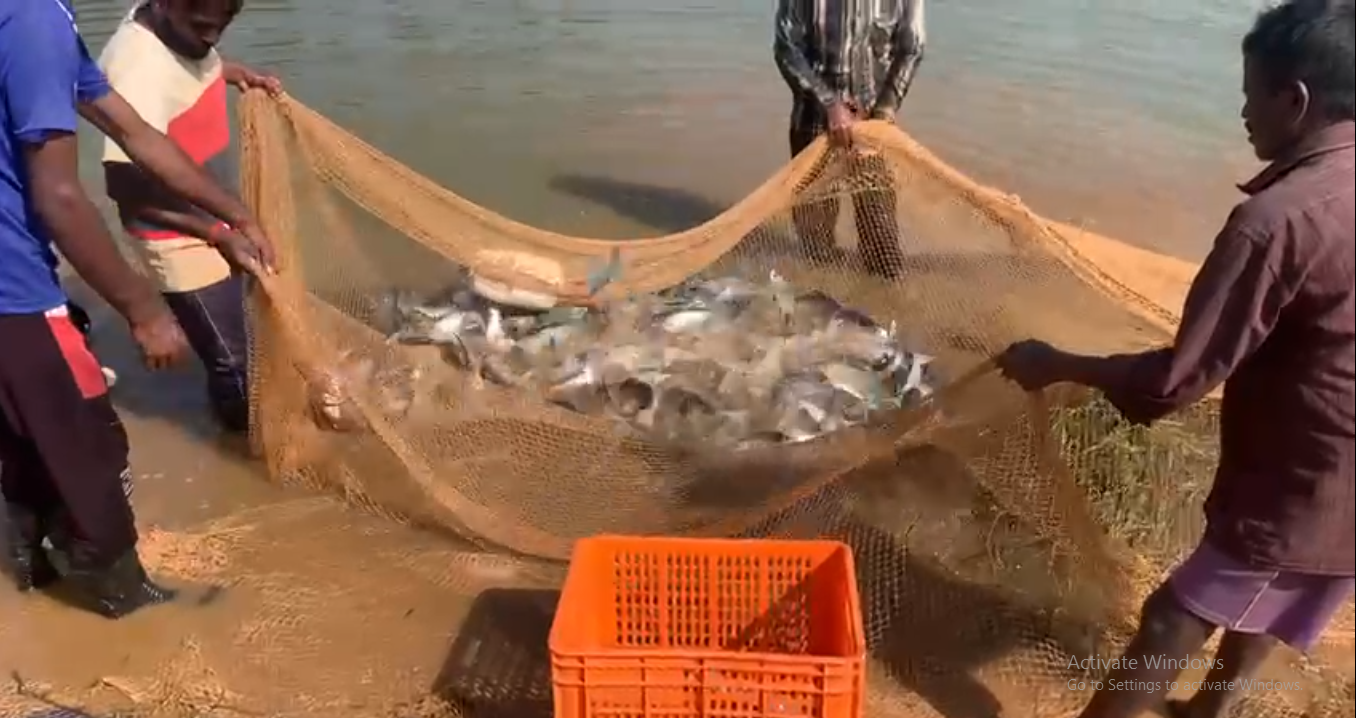
Fish and seafood, found abundantly in freshwater and oceans, are rich in protein, omega-3 fatty acids, and vital nutrients, making them valuable for alleviating malnutrition in impoverished areas. Fish farming, or aquaculture, contributes to an increased fish supply, combating nutritional deficiencies.
The aquaculture industry has played a significant role in job creation, particularly in regions reliant on agriculture, where unemployment rates are high. Asia, in particular, has witnessed the generation of thousands of employment opportunities through fish farming.
Farmers can diversify their income streams and enhance water management by incorporating fish farming into their existing agricultural practices. This integration also optimizes land use, allowing the profitable utilization of marginal lands that may be unsuitable or costly for traditional agriculture.
Furthermore, fish farming aids in the conservation of vulnerable fish species like cod, sea bass, and red snapper. Through aquaculture efforts, these species' populations are revitalized, contributing to their preservation and sustainability.
Copyrights King Fisheries Farm | All Rights Reserved | Developed By THEITHUB